
Orcas in the Verde Island Passage
A rare encounter in one of the world’s richest marine corridors
Table of Contents
A rare encounter in one of the world’s richest marine corridors
Some encounters cannot be planned.
They happen because the weather allows, because the tide moves a certain way, because a guide is watching the water closely, or because a small delay places a boat in exactly the right place at exactly the right time.
For Coral Reef Safari, travelling off the beaten track is not about chasing spectacle. It is about moving slowly through places that still hold a sense of wildness — quiet coastlines, less-visited reefs, open crossings, and marine protected areas where the sea is given space to recover.
Every now and then, that approach offers a glimpse of something extraordinary.
Recently, during a crossing in the Verde Island Passage, our team and guests encountered orcas.
Sightings like this are extremely rare in Philippine waters, and especially unusual in this part of the country. Publicly documented Philippine orca records are scattered and infrequent, with recent reports including sightings off Palawan in 2024 and off Lubang, Mindoro in 2018.
But rare does not mean random. Large marine animals appear where the conditions can support them: where currents carry nutrients, where prey can gather, and where the wider food web still has enough life in it to make movement, feeding, and migration possible.
Crystal’s story
Our head guide, Crystal, tells the story:
“Our departure from Sabang was a little delayed, but as it turned out, the timing could not have been more extraordinary.
About a third of the way across on our crossing towards the islands of Calapan, we noticed something moving at the surface in the distance.
At first, their size suggested pilot whales. But as we slowed down and watched carefully, the pod came closer. Then came the unmistakable signs: the tall dorsal fins, the white markings along the body and face, and the quiet, powerful way they moved through the water.
Orcas.
Two younger individuals passed beneath the boat several times, while a mother kept a little distance with her calf. For a few unforgettable minutes, we stayed still and watched as they surfaced around us before continuing on their way.
Encounters like this are rare, humbling reminders of how alive these waters are — and how much can appear when we move slowly, look closely, and let the sea set the pace.
Sometimes, a small delay becomes the reason you are exactly where you need to be.”
Why the Verde Island Passage matters
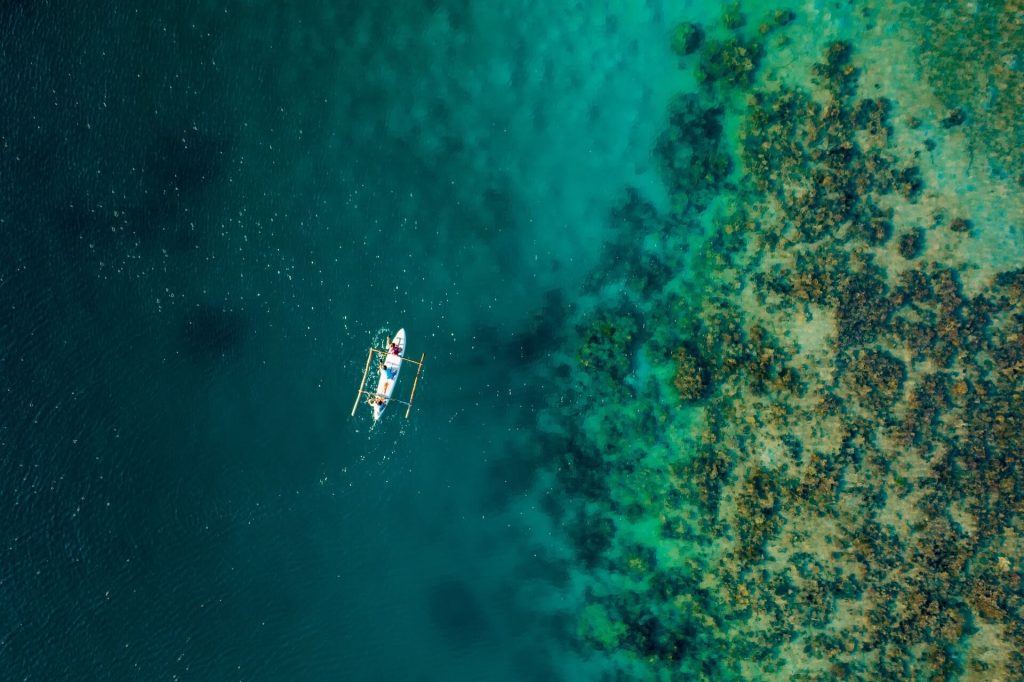
The Verde Island Passage is one of the most significant marine corridors in the Coral Triangle. Running between Luzon and Mindoro, it is shaped by strong currents, deep channels, coral reefs, coastal habitats, and open-water movement.
These waters support an exceptional range of marine life, from reef fish and corals to turtles, rays, sharks, dolphins, and whales. For anyone who spends time here, cetacean sightings are always meaningful. Dolphins and whales are not isolated attractions; they are signs of a living system.
Their presence points to deeper ecological relationships — currents, plankton, baitfish, reef health, open-water productivity, and the stability of marine habitats over time.
An orca sighting brings that into sharper focus.
Orcas are apex predators. Their survival depends not only on open water, but on the layers beneath them: productive seas, available prey, and ecosystems that can continue to feed life at every level. A sighting like this is thrilling, but it is also a reminder that even the most powerful animals in the ocean depend on conditions that are fragile.
Marine protected areas in practice
Marine protected areas are not simply lines on a map. When they are actively managed, they can help reduce pressure on important habitats, protect nursery areas, rebuild fish populations, and create conditions where reefs and coastal ecosystems have a better chance of recovery.
In North Mindoro, Blue Alliance Marine Protected Areas works with local government units and coastal communities to co-manage a growing network of MPAs. Their approach focuses on active management and long-term financing, including monitoring, enforcement, community engagement, and reef-positive enterprises that can help support protection over time.
That matters in places like the Verde Island Passage, where biodiversity is high, local communities depend on the sea, and marine life moves through connected habitats rather than staying neatly within boundaries.
Protection has to be practical. It has to be local. And it has to last.
Why Coral Reef Safari is set up this way
Coral Reef Safari exists within this conservation model.
Our journeys are designed to bring guests into close, thoughtful contact with marine places while contributing directly to their protection. A share of revenue from every trip supports marine conservation, and all profits support marine protected areas.
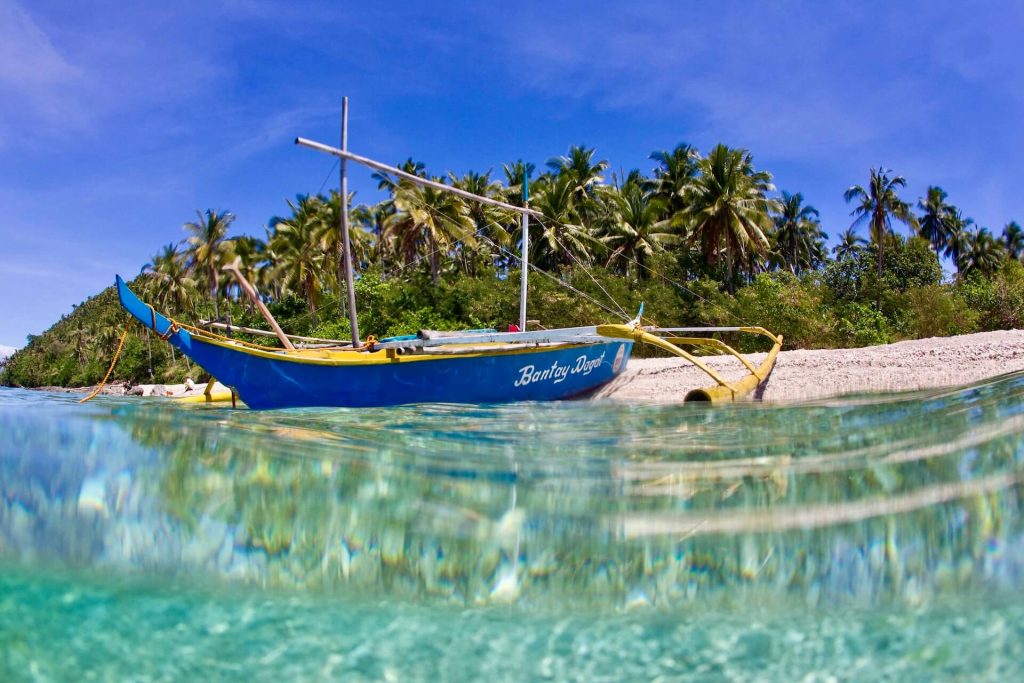
This is why our approach is deliberately low-impact, guided, and unhurried. We travel in small groups. We spend time with skilled guides. We move through reef, island, and coastal environments with attention rather than urgency.
The aim is not simply to show people beautiful places, but to help protect the conditions that make those places alive.
Encounters like this orca sighting cannot be promised. They should not be chased. But they remind us why the model matters.
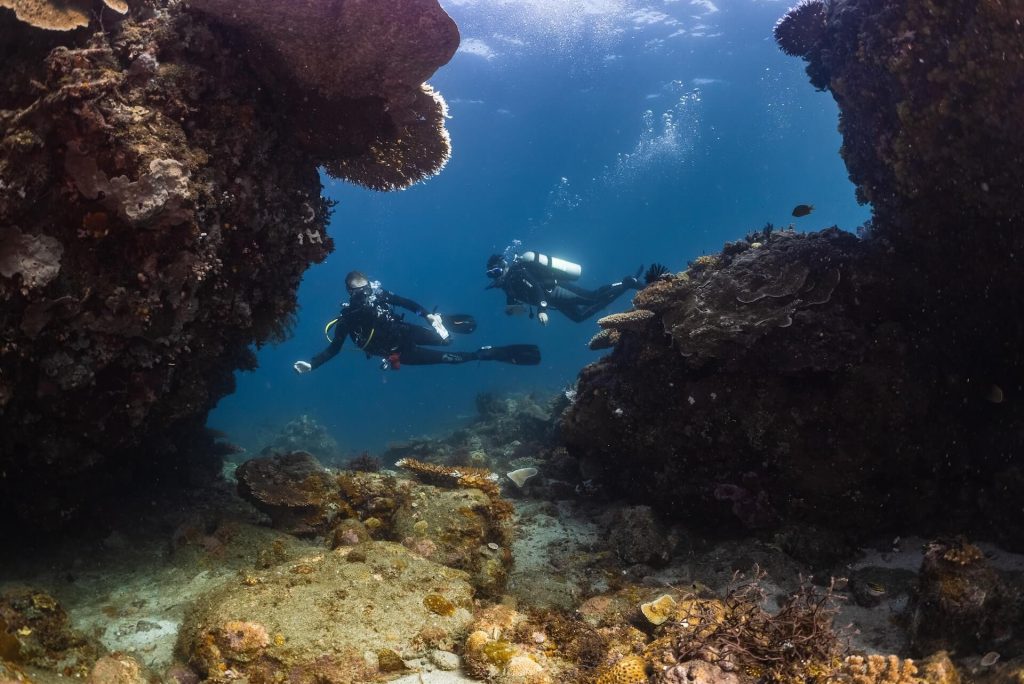
Unique and wide-ranging animals depend on stable food sources and healthy connected habitats. Those conditions are shaped by what happens below the surface every day — on the reefs, in the currents, among fish populations, and across the protected areas that help give marine life space to recover.
What this sighting reminds us
It would be easy to describe this encounter only as a remarkable wildlife sighting.
And it was.
But it also says something deeper about the places we choose to travel through, and the responsibility that comes with visiting them.
Remote waters still hold mystery. Marine protected areas give that mystery a better chance of continuing. And when tourism is designed to support protection rather than simply take from a place, every journey can become part of something larger.
We cannot promise orcas. We would never try to.
What we can offer is time on the water with people who are watching carefully, travelling gently, and working within a model that helps protect the reefs, coastlines, and open passages that make encounters like this possible.
In the Verde Island Passage, the sea still has the power to surprise us.
And that is exactly why it needs protecting.
Travel with Purpose
Coral Reef Safari adventures are designed for those who want to experience remarkable marine places while helping protect them.